
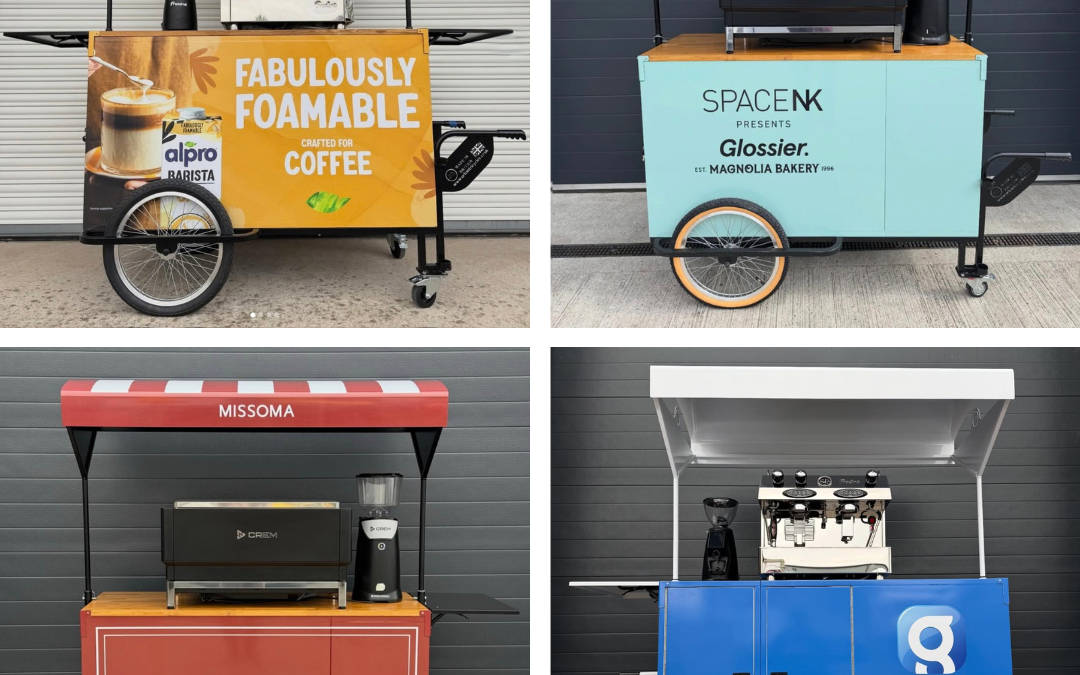
The UK coffee industry continues to thrive, and mobile coffee businesses have become one of the most accessible ways for aspiring entrepreneurs to enter the market. Whether you’re looking for a side hustle, a full-time venture, or a way to bring speciality coffee directly to customers at events and busy public spaces, a mobile coffee business offers lower start-up costs than a traditional café.
But how much does it actually cost to start a mobile coffee business in the UK?
The answer depends on your business model, equipment choices, and operating costs. However, with the right planning, many entrepreneurs can launch a profitable mobile coffee venture for significantly less than the cost of opening a bricks-and-mortar coffee shop.
Why Choose a Mobile Coffee Business?
Traditional coffee shops often require substantial investment in premises, renovations, staffing, utilities, and long-term leases. A mobile coffee business removes many of these barriers.
Coffee bikes and mobile coffee carts allow operators to take their business directly to customers, whether that’s at festivals, markets, sporting events, corporate venues, shopping centres, or tourist hotspots. This flexibility helps reduce overheads while providing opportunities to test different locations and customer demographics.
Many successful operators start small and gradually expand their business as demand grows.
Initial Start-Up Costs
Mobile Coffee Bike or Cart
Your largest upfront investment will typically be your mobile coffee unit.
A professionally designed coffee bike or coffee cart provides a complete mobile trading solution and can be customised to suit your brand and operational needs. Depending on the specification, equipment, and customisation options chosen, this can represent the biggest portion of your start-up budget.
Investing in a purpose-built mobile coffee unit often proves more cost-effective in the long term compared to modifying a vehicle or building a setup from scratch. A professionally manufactured unit is also likely to meet health, safety, and operational requirements more effectively.
For entrepreneurs exploring their options, the learning resources available through Urban Tricycles’ Learn Hub provide valuable guidance on choosing the right setup for your business model.
Coffee Equipment
In addition to your mobile unit, you’ll need professional coffee-making equipment, which may include:
- Espresso machine
- Coffee grinder
- Water filtration system
- Refrigeration
- Power solutions
- Point of sale system
The quality of your equipment will directly impact both customer experience and operational efficiency. While it may be tempting to cut costs initially, reliable equipment can help reduce downtime and maintenance expenses.
Branding and Signage
Strong branding helps your mobile coffee business stand out in competitive environments.
Initial branding costs may include:
- Logo design
- Vehicle or cart graphics
- Menus
- Uniforms
- Marketing materials
- Social media assets
A professional appearance can significantly influence customer trust and purchasing decisions.
Licensing and Compliance Costs
Before trading, you’ll need to ensure your business complies with UK regulations.
Typical requirements include:
- Food business registration with your local authority
- Public liability insurance
- Product liability insurance
- Food hygiene certification
- Risk assessments
- Health and safety documentation
While these costs are relatively modest compared to other start-up expenses, they are essential for operating legally and professionally.
Stock and Consumables
You’ll also need an initial stock investment.
Typical consumables include:
- Coffee beans
- Milk and dairy alternatives
- Tea and hot chocolate
- Syrups and flavourings
- Cups and lids
- Napkins
- Cleaning products
Many operators budget for several weeks of stock before launching. Working with reliable suppliers helps maintain consistent quality and customer satisfaction.
Marketing Costs
Even the best coffee business needs customers.
Marketing expenses may include:
- Website development
- Social media advertising
- Local promotions
- Event applications
- Printed flyers
- Photography and content creation
Fortunately, mobile coffee businesses often benefit from strong word-of-mouth marketing, particularly when serving high-quality coffee and providing excellent customer service.
Ongoing Monthly Costs
Once you’re operational, ongoing expenses may include:
Stock Replenishment
Coffee, milk, cups, and other consumables will form a significant part of your monthly expenditure.
Event and Pitch Fees
Many operators pay fees to attend markets, festivals, and events. These costs vary widely depending on location and footfall.
Insurance
Annual insurance premiums are typically spread across the year as an ongoing business expense.
Equipment Maintenance
Regular servicing helps prevent costly breakdowns and extends the lifespan of your equipment.
Marketing and Advertising
Many businesses continue investing in digital marketing, local promotions, and customer acquisition activities after launch.
How Much Should You Budget Overall?
The total investment required to launch a mobile coffee business in the UK can vary significantly depending on your chosen setup and level of equipment.
A basic operation may require a relatively modest investment, while a fully customised, professionally branded mobile coffee business with premium equipment will naturally require a larger budget.
The key advantage is that mobile coffee businesses generally require substantially less capital than traditional coffee shops, while offering greater flexibility and lower fixed overheads.
Is a Mobile Coffee Business Worth It?
For many entrepreneurs, the answer is yes.
Mobile coffee businesses offer:
- Lower start-up costs
- Greater flexibility
- Reduced overheads
- Multiple revenue opportunities
- Scalability
- Direct customer engagement
Success ultimately depends on factors such as location selection, product quality, branding, customer service, and operational efficiency.
If you’re considering entering the industry, taking time to research costs, business models, and equipment options is essential. The expert resources available at https://www.urbantricycles.co.uk/learn offer practical guidance for anyone looking to start or grow a successful mobile coffee business in the UK.
Final Thoughts
Starting a mobile coffee business can be one of the most cost-effective ways to enter the thriving UK coffee market. While costs vary depending on your ambitions and setup, careful planning can help you launch a professional operation without the financial burden associated with a traditional café.
By choosing the right equipment, developing a strong brand, and learning from industry experts, you can build a mobile coffee business that delivers both flexibility and long-term profitability.