
Choosing the best type of electric gate for a residential driveway is about much more than appearance alone. Across the UK, homeowners are increasingly installing electric gates to enhance security, improve privacy and add value to their property. However, the right choice depends on several practical factors, including driveway layout, space availability, ground conditions and ongoing maintenance requirements.
At Digger Hire UK, we regularly support residential projects where electric gates form part of wider groundwork and access improvements. From preparing solid foundations to enabling efficient installation, understanding the different gate types helps ensure the project runs smoothly from the outset.
Below, we explore the main types of electric gates suitable for residential driveways and explain how to determine which option is best for your home.
Sliding Electric Gates
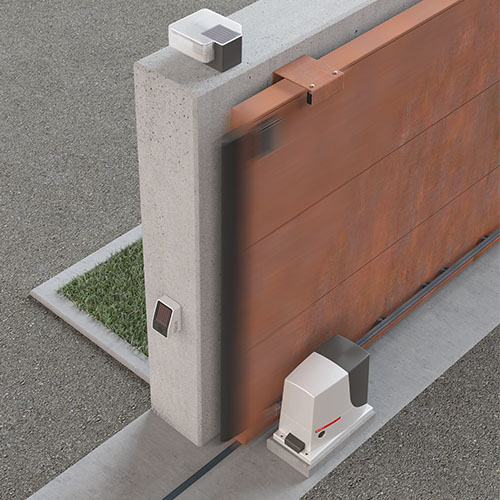
Sliding electric gates are one of the most popular choices for modern residential driveways, particularly where space is limited or the driveway is sloped.
Best suited for:
-
Sloping or uneven driveways
-
Properties close to the road or pavement
-
Wide or modern entrances
Sliding gates operate by moving sideways along a track or via a cantilever system. Because they do not swing open, they are ideal for driveways that rise uphill or where opening space is restricted.
Key benefits include:
-
High levels of security and stability
-
Efficient use of space
-
Reliable operation on uneven ground
However, sliding gates do require accurate groundwork. Track-based systems need level concrete foundations, while cantilever gates require substantial footings to support the gate’s weight. Proper excavation and preparation are essential to avoid alignment problems or long-term mechanical issues.
Swing Electric Gates
Swing electric gates are a classic and widely used option, particularly for traditional homes and larger driveways.
Best suited for:
-
Flat driveways with plenty of clearance
-
Period, rural or detached properties
-
Symmetrical driveway entrances
Swing gates open inwards (or occasionally outwards) on hinges and can be configured as either single-leaf or double-leaf systems.
Advantages include:
-
Timeless appearance
-
Generally lower installation costs
-
Wide range of styles and materials
That said, swing gates are not suitable for every driveway. They require enough space to open fully and can struggle on sloped ground. Wind exposure is another consideration, as large gate panels can act like sails in strong weather.
For this reason, solid gate posts and well-prepared ground are essential. Underground motors and reinforced post foundations often require excavation, making professional groundwork a key part of the installation process.
Telescopic Electric Gates
Telescopic gates are a more compact variation of sliding gates, using two or more overlapping panels that retract together when opening.
Best suited for:
-
Driveways with limited side space
-
Urban or compact residential settings
-
Narrow access points
Benefits include:
-
Reduced space requirements compared to standard sliding gates
-
Sleek and modern appearance
However, telescopic gates are mechanically more complex, which can increase both installation and maintenance costs. They also demand very precise groundwork, as even minor inaccuracies can affect smooth operation.
Choosing the Right Gate Material
The material of your electric gate plays a significant role in its durability, maintenance needs and overall appearance. Common options include:
-
Steel or aluminium: Strong, secure and low maintenance
-
Timber: Attractive and traditional, but requires regular treatment
-
Composite materials: Modern appearance with minimal upkeep
Metal gates are often the preferred choice for residential driveways due to their longevity and resistance to the UK climate. Suppliers such as Easy Gates offer a wide range of electric gate designs suitable for different driveway layouts, making them a useful reference when selecting a system that fits both practical and aesthetic requirements.
Power Supply and Automation Options
Electric gates can be powered in different ways, depending on the location of your property:
-
Mains-powered systems offer the most reliable performance
-
Solar-powered systems can be suitable for remote driveways
Automation features may include remote controls, keypad entry, intercoms or smartphone integration. Planning cable routes early is important, as trenching for power and control cables is often required during installation.
Why Groundworks Matter
Even the highest-quality electric gate will underperform if the groundwork is inadequate. Poor foundations can lead to misalignment, excessive motor strain and premature wear.
This is why professional site preparation is so important. At Digger Hire UK, we support homeowners and installers with reliable plant hire for tasks such as:
-
Excavating foundations for gate posts
-
Preparing level bases for sliding gate tracks
-
Trenching for electrical and control cables
Using the correct equipment helps ensure the installation is accurate, efficient and built to last.
So, What Is the Best Type of Electric Gate?
There is no single “best” electric gate for every residential driveway. Instead, the right choice depends on your specific circumstances:
-
Sliding gates are ideal for sloped or restricted driveways
-
Swing gates suit flat driveways with sufficient opening space
-
Telescopic gates work well where width is limited
By carefully matching the gate type, material and automation system to your driveway layout, and ensuring proper groundwork from the start, you can create a secure, functional and visually impressive entrance that will serve your home for many years to come.