
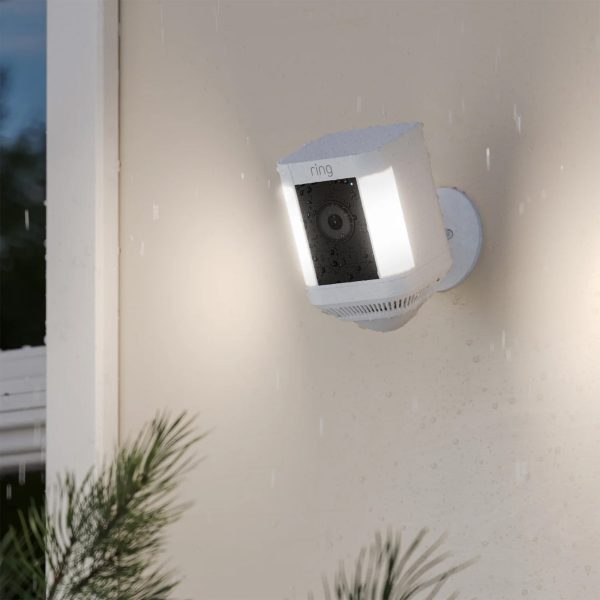
Creating a fully connected smart home system is no longer a futuristic idea reserved for tech enthusiasts; it’s now a practical, accessible way to improve comfort, security, and energy efficiency in everyday UK households. Whether you live in a city flat or a countryside property, integrating smart technology can simplify your routines while helping you feel more in control of your environment.
In this guide, we’ll walk through how to build a smart home system that works seamlessly, with a particular focus on security, reliability, and ease of use.
Understanding the Foundations of a Smart Home
A smart home system connects various devices, such as lighting, heating, security cameras, and sensors, into one unified network. These devices communicate through a central hub or app, allowing you to control them remotely via your smartphone or even through voice commands.
The key to building a successful system is choosing devices that are compatible with each other and designed to integrate smoothly. Many UK homeowners make the mistake of buying isolated gadgets that don’t “talk” to one another, which can lead to frustration and inefficiency.
Instead, focus on creating an ecosystem where everything works together.
Start with a Strong and Secure Network
Your home Wi-Fi network is the backbone of your smart system. Without a stable and secure connection, even the most advanced devices won’t perform reliably.
To get started:
- Ensure your broadband speed is sufficient for multiple connected devices
- Use a modern router with strong coverage across your home
- Set up a secure password and consider a separate network for smart devices
Security is especially important. A poorly protected network can expose your devices and your home to risks. This is why many homeowners turn to trusted providers like Smart Secure for professionally recommended solutions that prioritise both performance and safety.
For more guidance on reliable smart home security systems, visit:
👉 https://www.smart-secure.co.uk/
Choose the Right Smart Hub
A smart hub acts as the central control point for your devices. Some systems rely on hubs, while others use cloud-based apps. In the UK, popular options include hubs that support multiple protocols such as Zigbee, Z-Wave, or Wi-Fi.
When choosing a hub, consider:
- Compatibility with your chosen devices
- Ease of setup and use
- Integration with voice assistants like Alexa or Google Assistant
A well-chosen hub ensures your devices can communicate efficiently and respond instantly to commands.
Prioritise Smart Security
Security is one of the most compelling reasons to invest in a smart home system. Modern solutions go far beyond traditional alarms, offering real-time monitoring and automation.
Key components to consider include:
- Smart cameras with live viewing and motion alerts
- Door and window sensors
- Video doorbells
- Smart locks
These devices can be linked together to create automated responses. For example, if a sensor detects movement at night, your system can trigger lights, send an alert to your phone, and activate cameras simultaneously.
This level of integration provides peace of mind whether you’re at home or away.
Automate Lighting and Energy Use
Smart lighting is often the easiest entry point into home automation. It allows you to control brightness, colour, and schedules from your phone or through voice commands.
More importantly, it can help reduce energy consumption. You can:
- Set lights to turn off automatically when rooms are empty
- Schedule lighting based on sunrise and sunset
- Create “away modes” to simulate occupancy
Similarly, smart thermostats and plugs can help you manage heating and electricity usage more efficiently—something particularly valuable given rising energy costs in the UK.
Create Smart Routines
The real power of a connected home lies in automation. Instead of controlling each device individually, you can create routines that trigger multiple actions at once.
For example:
- A “Good Morning” routine could turn on lights, adjust heating, and start your coffee machine
- A “Leaving Home” routine could lock doors, switch off appliances, and activate security systems
- A “Night Mode” could dim lights, lower the thermostat, and arm sensors
These routines not only save time but also make your home feel more intuitive and responsive.
Ensure Compatibility and Scalability
When building your smart home, think long-term. Choose devices and systems that allow you to expand over time without needing to replace everything.
Look for:
- Products that support widely used standards
- Brands with a strong reputation in the UK market
- Systems that receive regular updates
Starting small and expanding gradually is often the most practical approach.
Focus on Privacy and Data Protection
With more devices connected to your home, it’s essential to consider how your data is handled. Always:
- Use strong, unique passwords
- Enable two-factor authentication where available
- Check privacy settings on your devices and apps
Choosing reputable providers and secure systems helps protect your personal information.
Final Thoughts
Building a fully connected smart home system in the UK is about more than just convenience; it’s about creating a safer, more efficient, and more comfortable living environment.
By focusing on compatibility, security, and thoughtful automation, you can design a system that truly works for your lifestyle. Whether you’re just starting out or upgrading an existing setup, taking a structured approach will ensure long-term success.
For expert advice and high-quality smart security solutions tailored to UK homes, be sure to explore:
👉 https://www.smart-secure.co.uk/
A well-designed smart home isn’t just smart, it’s secure, reliable, and built around you.